

Types of RDF Used in Cement Industries
- High Calorific RDF: Rich in plastics, textiles, and rubber; ideal for clinker production.
- Processed Industrial Waste RDF: Includes packaging waste, rejects from recycling plants, and industrial residues.
- Customized RDF Fuel: Tailored particle size, moisture, and calorific value to match kiln requirements.
Importance of RDF in Cement Manufacturing
- Reduced Fossil Fuel Dependency: Substitutes coal and petcoke with alternative fuels.
- Lower Carbon Footprint: Reduces CO₂ emissions and supports decarbonization targets.
- Waste Diversion from Landfills:
- Cost Optimization: Stabilizes fuel costs and reduces long-term operational expenses.
Key Components of RDF Waste Management

Collection & Feeding
Waste sourced from municipal and industrial streams is fed into the RDF system.

Shredding & Size Reduction
Heavy-duty shredders reduce waste to kiln-compatible sizes.

Metal Separation
Ferrous and non-ferrous metals are removed to protect the kiln equipment.

Screening & Refinement
Material is refined to achieve a uniform, dust-free particle size and calorific value.
Our Solutions to Manage RDF Waste
At Alfa Therm Limited, we provide complete RDF waste management solutions:
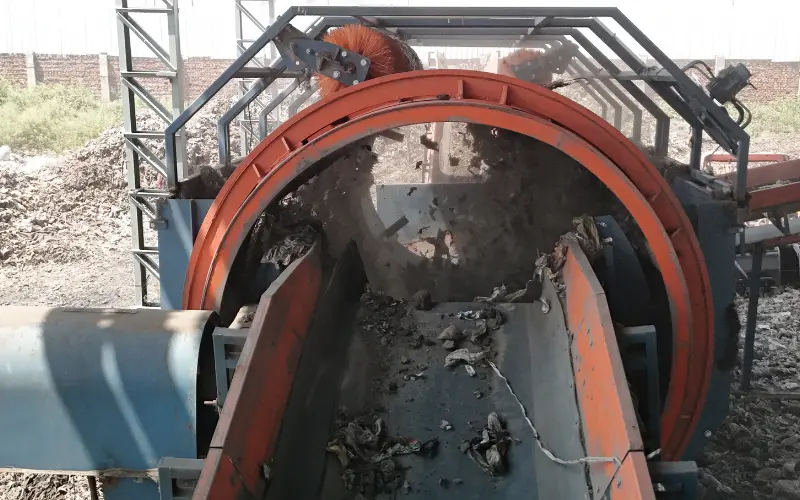
AFR/RDF Pre-Processing
Systems to convert non-recyclable waste into Refuse Derived Fuel (RDF) & Alternative Fuel and Raw Material (AFR).
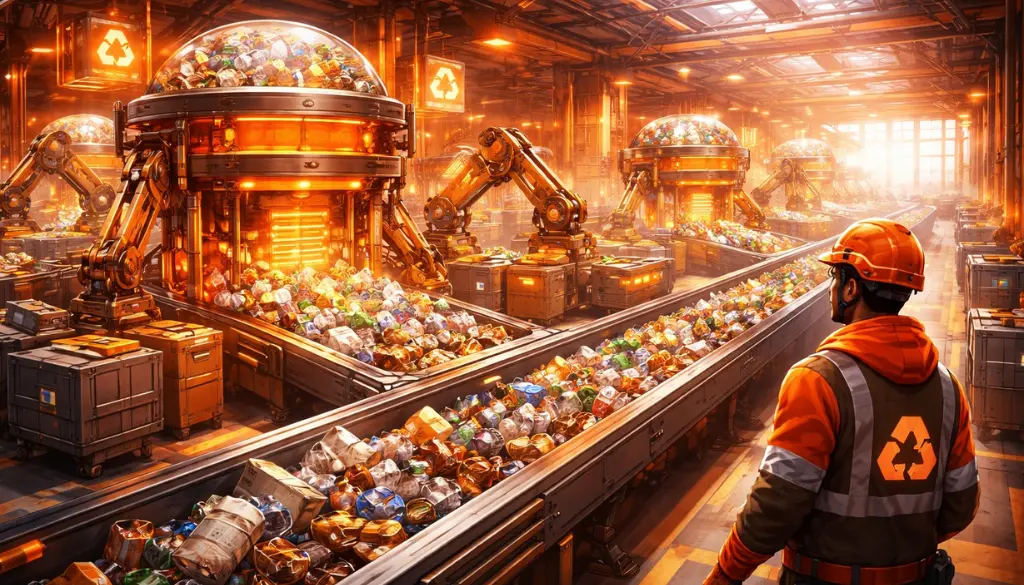
Material Recovery
Automated and semi-automated material segregation solutions designed to maximize recoverable value from mixed waste streams.
Benefits of RDF for Cement Industries
- Environmental Sustainability through reduced emissions
- Reliable Alternative Fuel Supply
- Improved Energy Efficiency
- Reduced Waste Disposal Costs
- Alignment with Circular Economy Principles
Other Industries We Serve
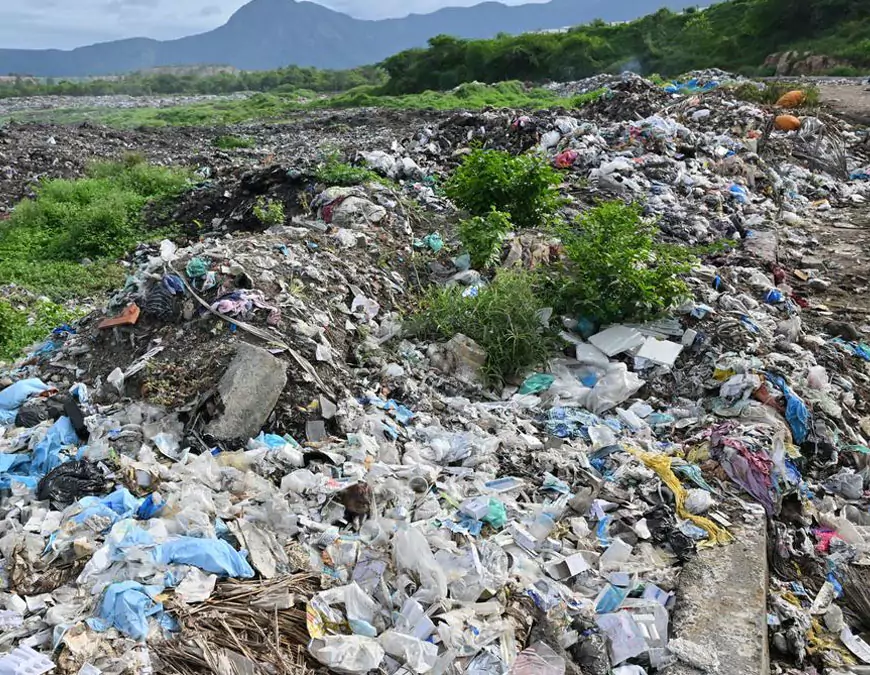
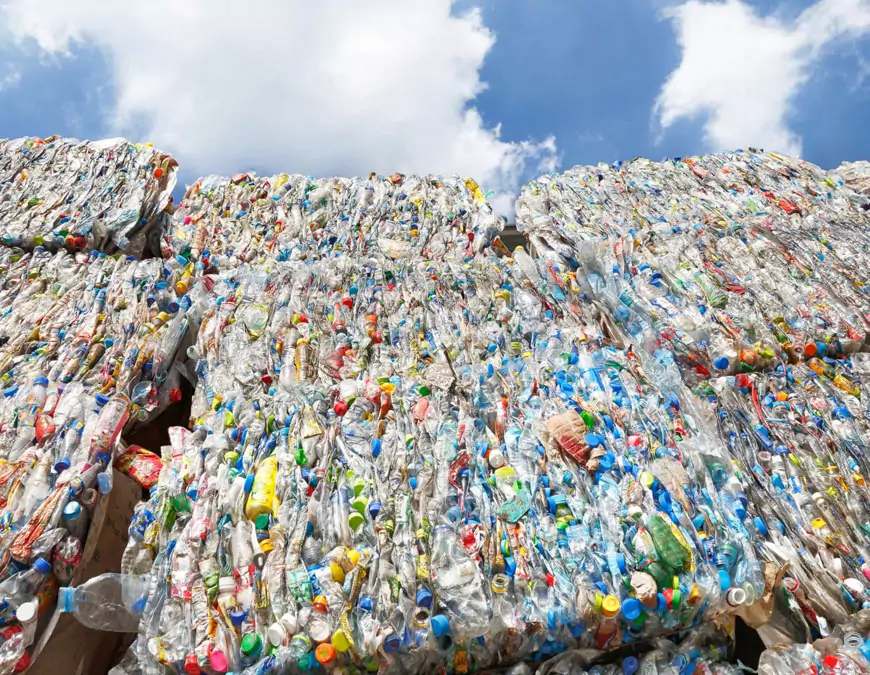
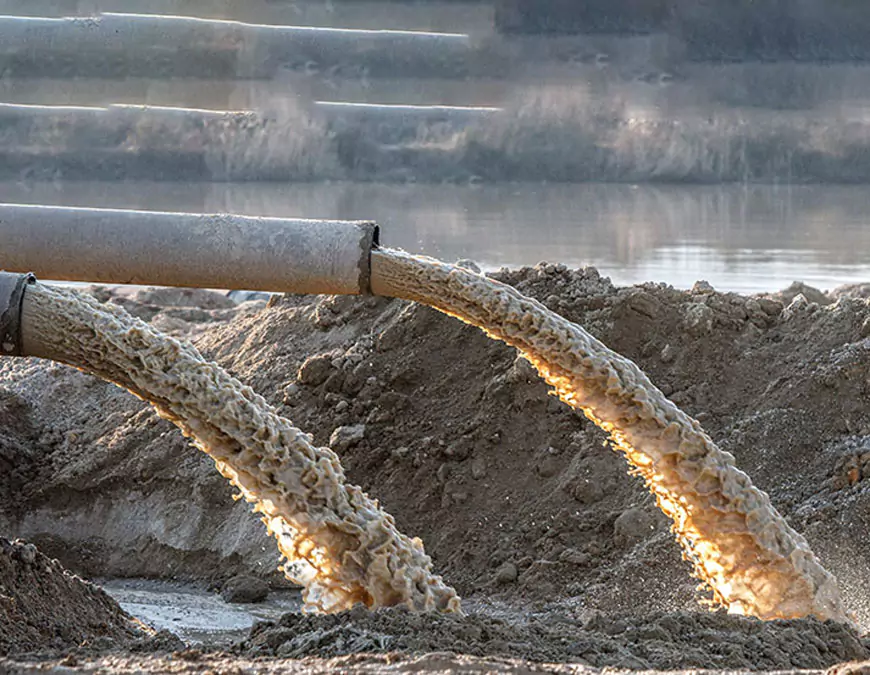
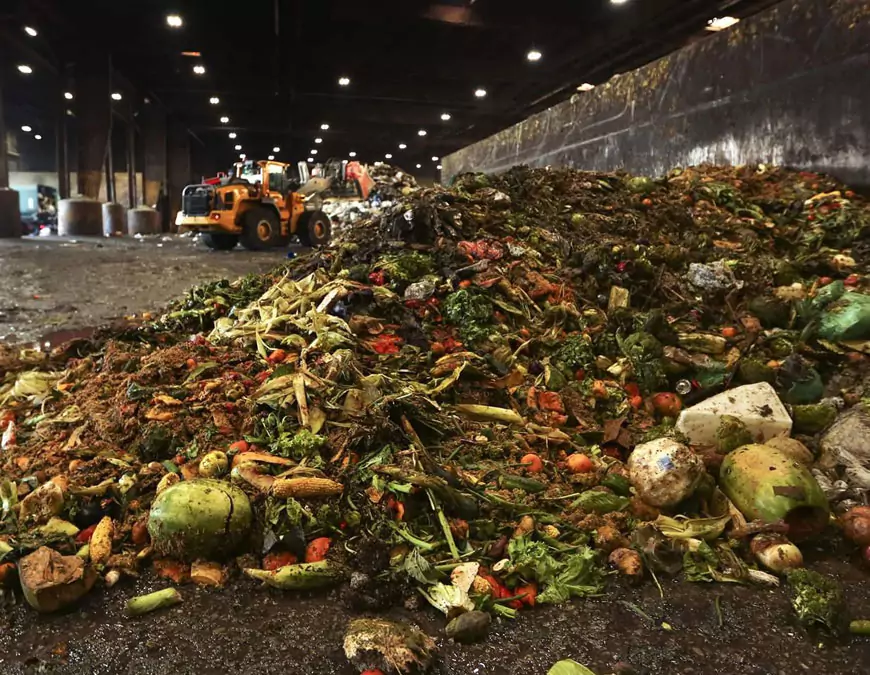
Struggling with Waste Management challenges?